
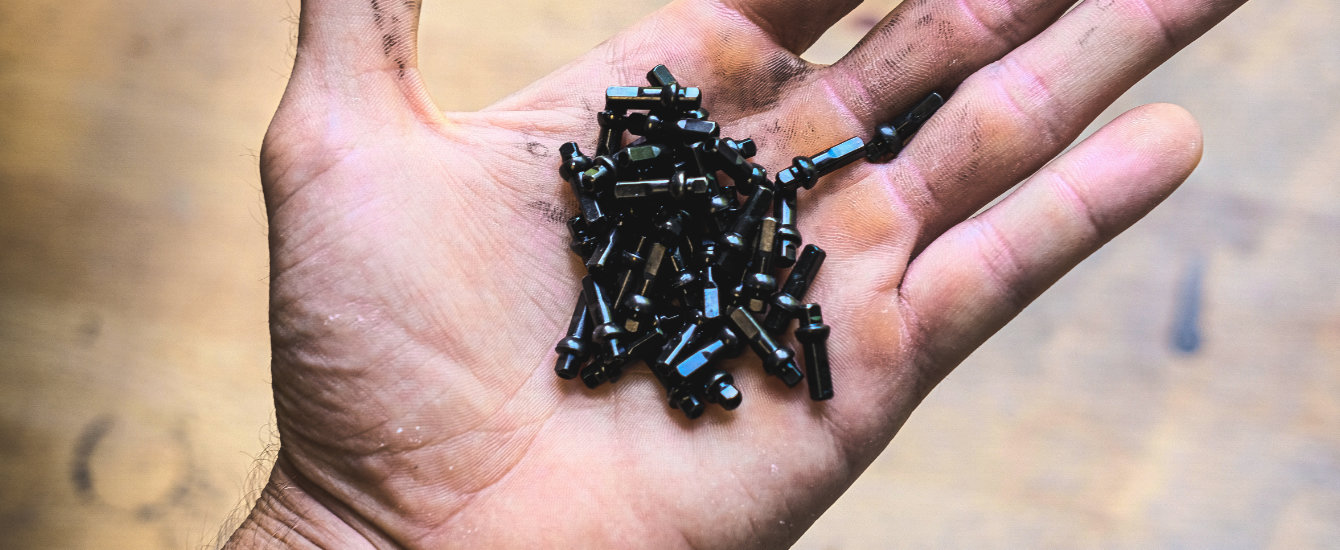
Have you ever wondered which nipples to choose for your bike wheels? Let’s take a closer look at brass and alloy nipples, which are commonly used in bike wheels. Nipples are a key part of a bike wheel design, connecting the spokes to the rim. Choosing the right nipples can greatly impact the strength and durability of the whole wheel. Usually, aluminum or brass nipples are used in bike wheels, but the differences between these materials are not often explained. It's important to know how they affect wheel performance.
In the wheels configurators available at Lemonbike there is an option to choose the type of nipples.
When building our wheels, we use only the highest quality nipples Sapim aluminum as well as brass nipples.
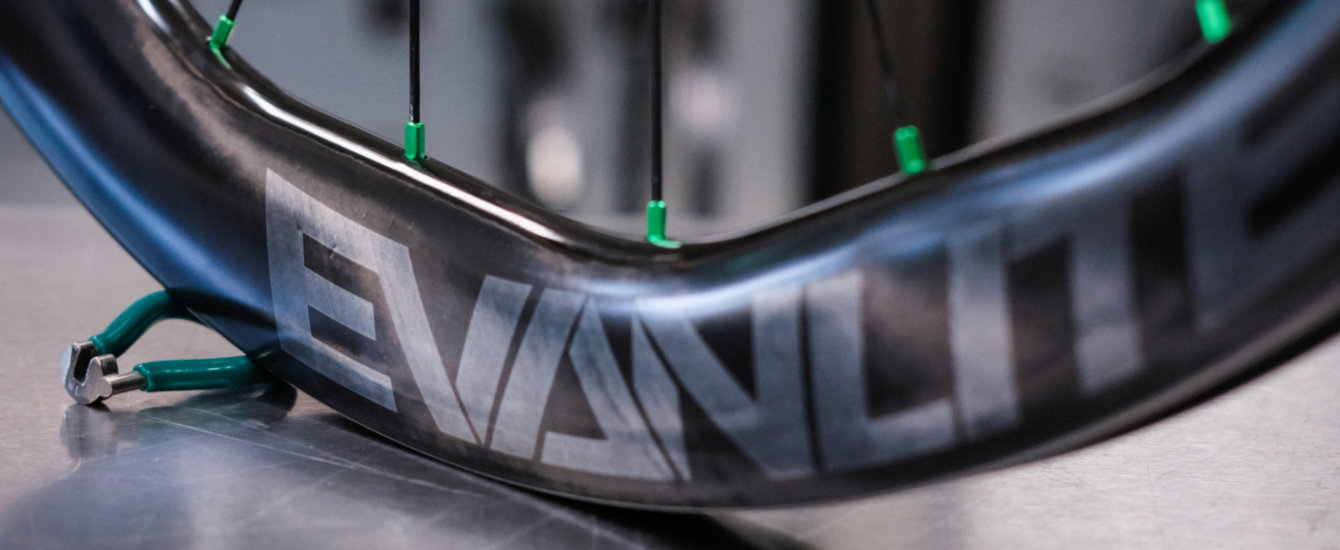
Nipples brass vs. alloy: Which are better?
In challenging terrain, especially during MTB rides and on demanding gravel routes, as well as for heavier riders where wheels are subjected to significant loads, brass nipples perform better. Due to their material, they are more durable than alloy nipples, which reduces the risk of damage. Furthermore, in demanding weather conditions such as rain, mud, or snow, brass nipples provide additional resistance to external factors.
Wheelset Weight
The weight difference between lightweight alloy nipples and brass nipples is approximately 30 grams per wheelset. Brass nipples weigh about 1 gram each, while alloy nipples weigh only about ⅓ gram. Although this difference may seem minor, it can be significant in the context of an entire wheelset, especially for competitive cycling. However, for users who prioritize reliability and equipment longevity, the additional grams are a small price for enhanced durability.
Appearance
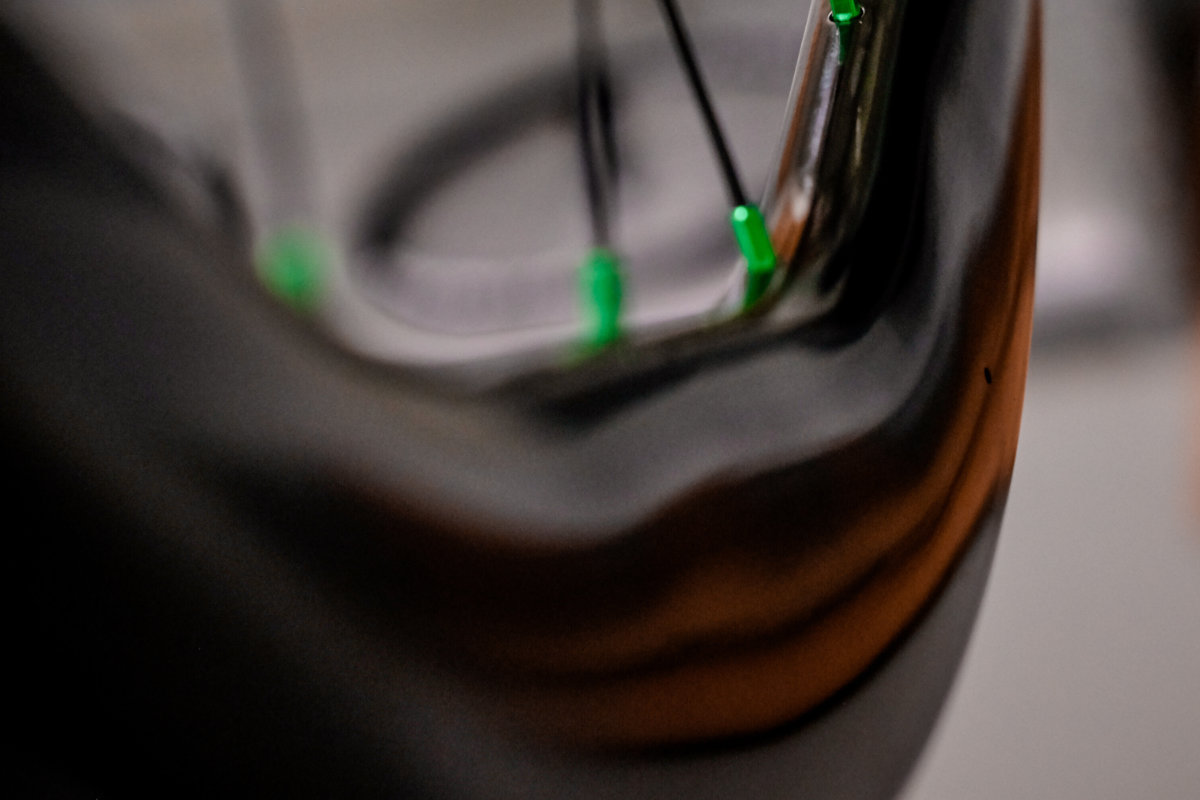
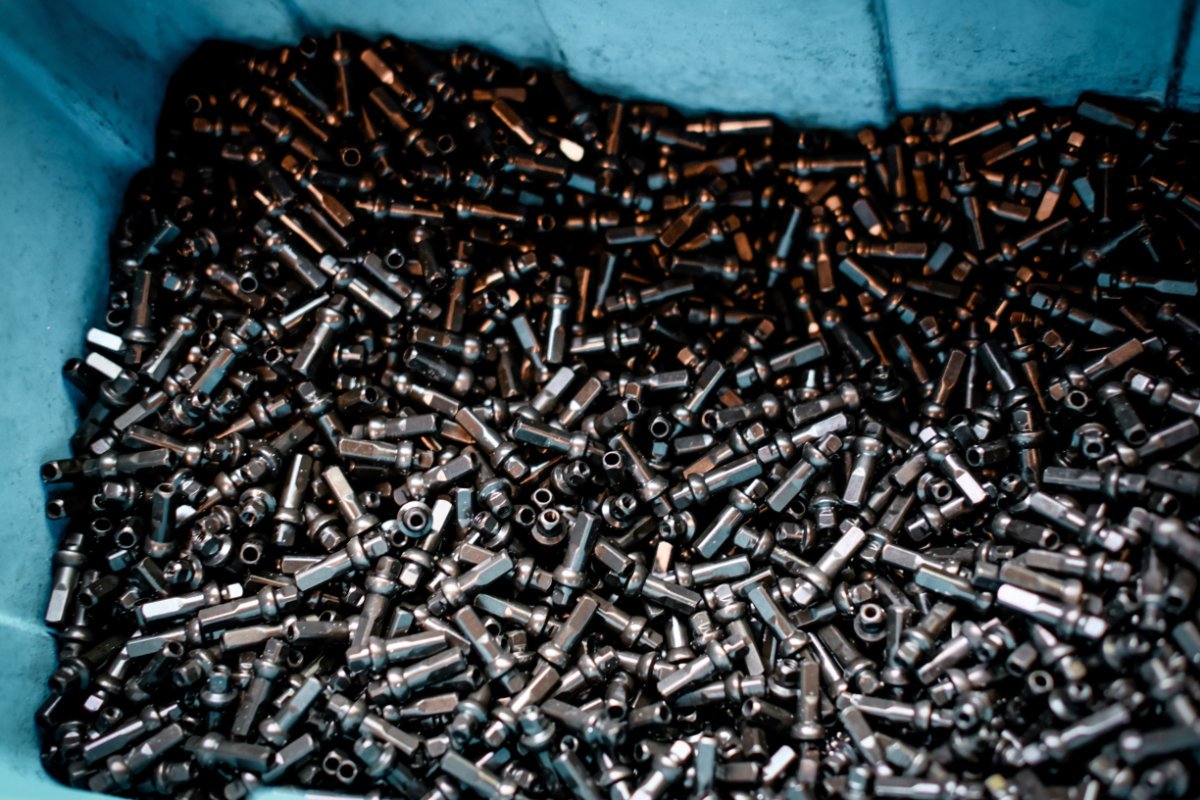
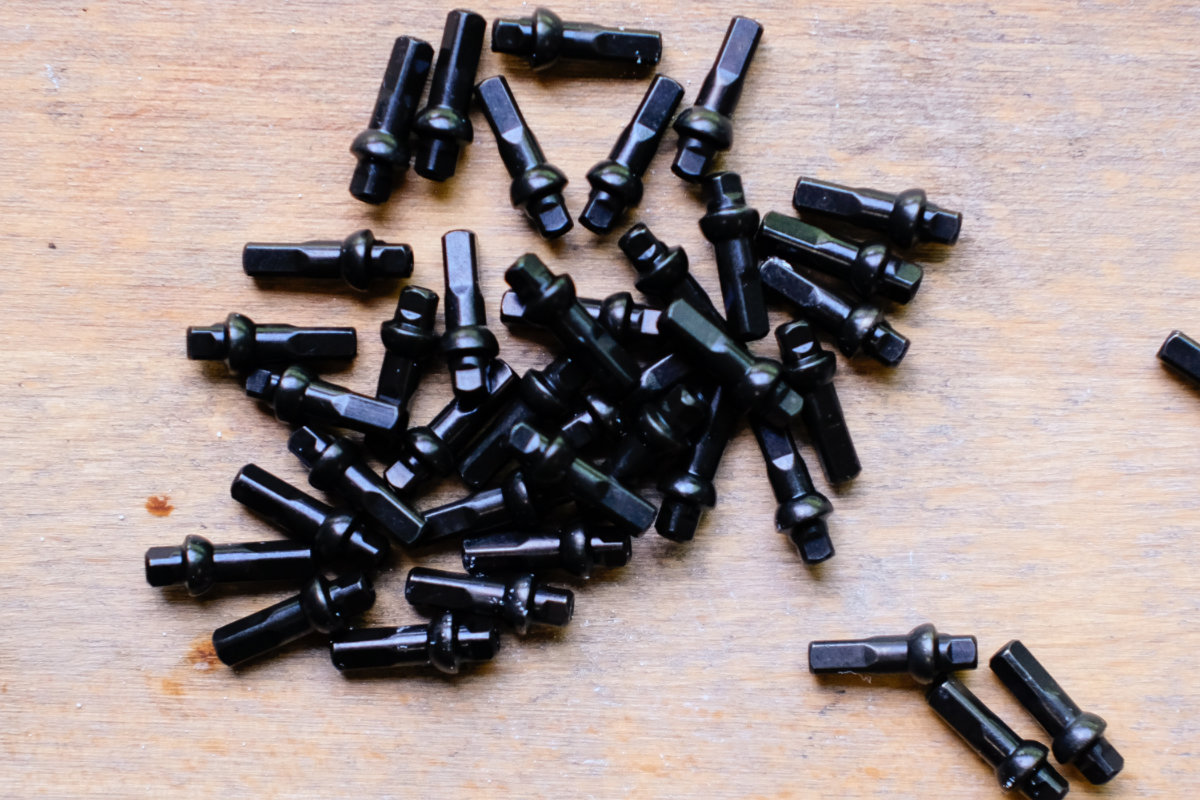
Aluminum nipples can be anodized in a variety of colors, allowing for greater personalization of the appearance of the wheels. Brass nipples, on the other hand, are usually only available in black and do not look different from black alloy nipples.
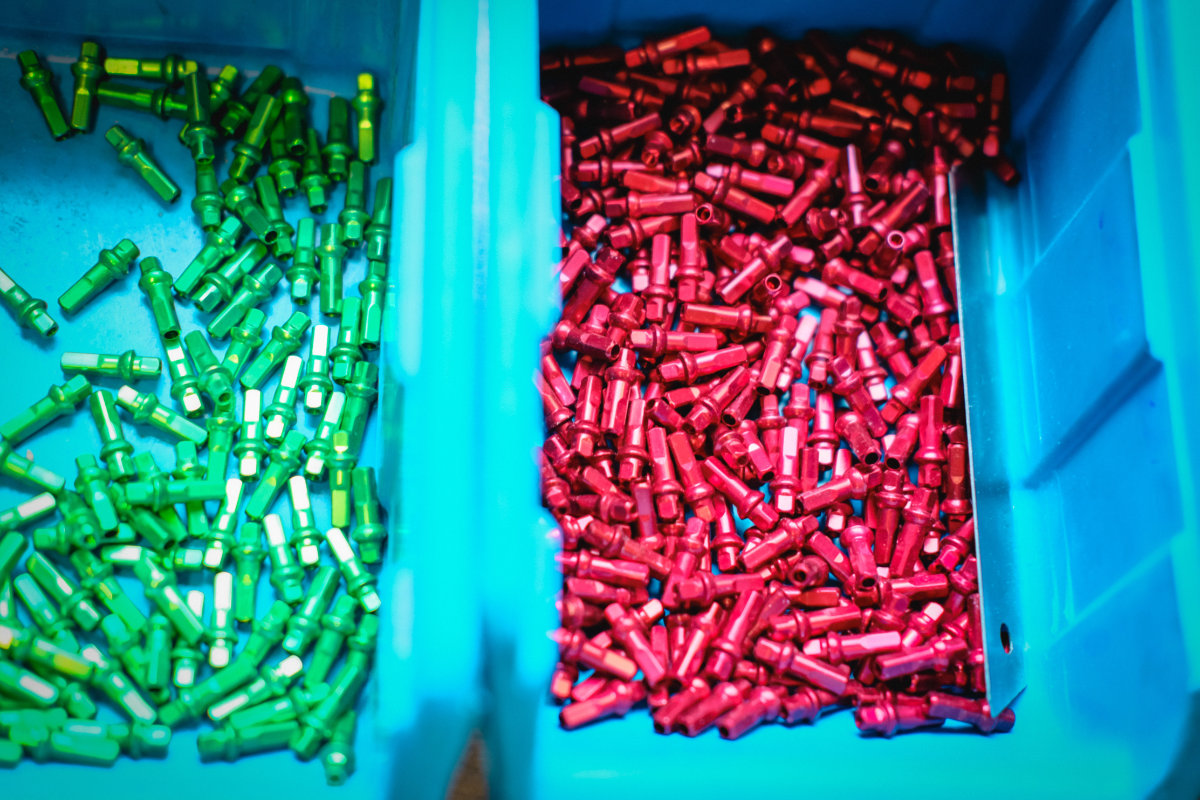
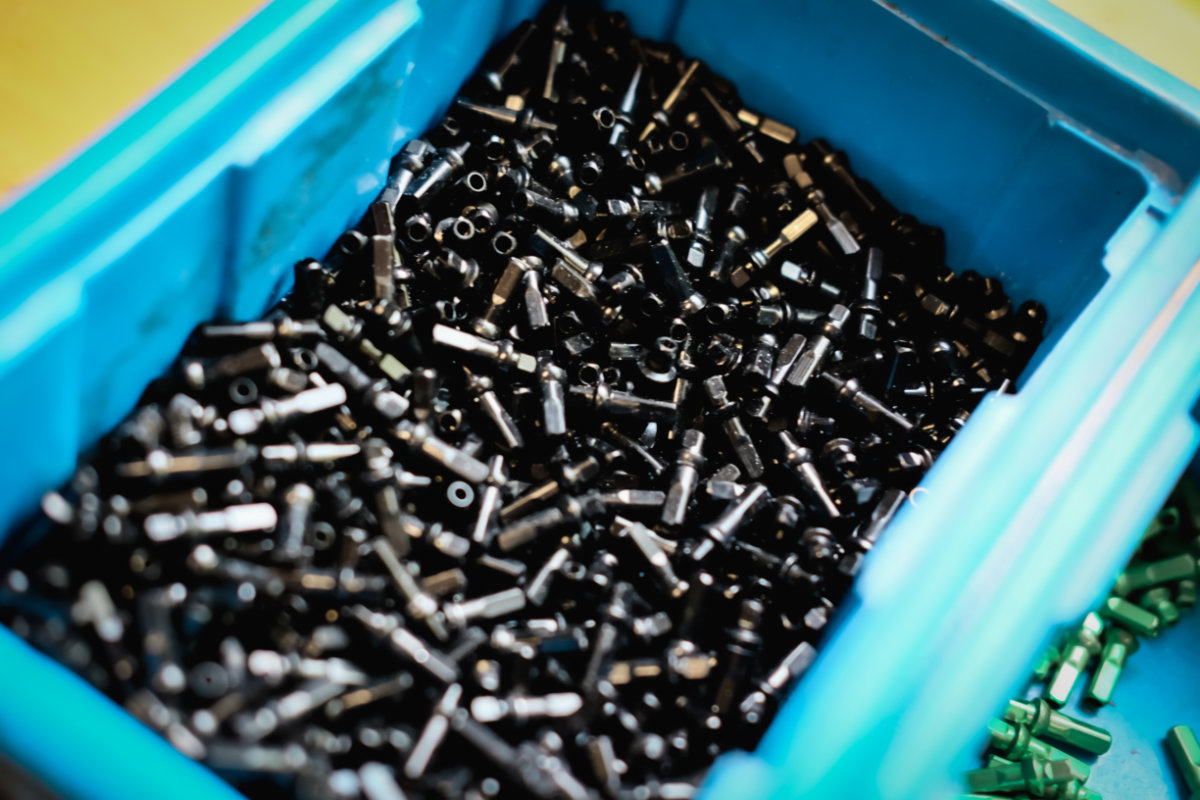
Alloy nipples - Lighter, good choice in racing wheels
If low wheel weight is a priority, alloy nipples may be a better choice. Lighter alloy nipples enable a reduction in "rotating wheel mass," which is crucial for competitive use – as mentioned, an average of approximately 30 grams per wheelset (depending on the lacing pattern and spoke count). However, alloy is a less durable material, and to maintain nipples in good technical condition, regular cleaning of the wheels is required after riding in harsh conditions. After every ride in mud, rain, snow, etc., the nipples and their surrounding areas should be thoroughly cleaned to prevent potential damage caused by external contaminants. Detailed cleaning of the wheels after such rides will help preserve their longevity and durability. However, avoid using wheel cleaning chemicals that, with prolonged use, can damage the anodized coating of alloy nipples, which serves an additional protective function.
We use high-quality Sapim nipples in our alloy and carbon wheels. This reputable Belgian company anodizes aluminum nipples to ensure a high-quality finish.
Carbon rims - what type of nipples?
It is recommended to avoid using brass nipples in carbon rims due to the greater risk of galvanic corrosion (explained below) that occurs between carbon and brass. This corrosion process can weaken the nipples and affect the life of the wheel. For wheels with carbon rims, it is better to use high-quality alloy nipples with an anti-corrosion coating, designed to prolong their life. An example is Sapim nipples, which we use on our alloy and carbon wheels.
Galvanic corrosion is the process by which two different conductive materials, like carbon fiber (carbon rim) and brass (nipple), in a conductive environment (such as moisture or salt water on bike wheels), undergo accelerated corrosion. The material with a lower electrochemical potential (anode) corrodes faster, while the material with a higher potential (cathode) corrodes more slowly or not at all.
In practice, using alloy nipples with carbon rims is often considered safer than using brass nipples. This is not so much due to the proximity of electrochemical potentials, but rather the superior protective properties of alloy – especially when coated with appropriate protective layers, as used in Sapim nipples.
In the case of alloy rims combined with aluminum nipples, the risk of galvanic corrosion is minimal, since both components are made of similar materials, reducing the difference in electrochemical potentials.
For who brass nipples are good?
Brass nipples are ideal for MTB bikes used in demanding off-road conditions, such as enduro, downhill, and cross-country training wheels. In these disciplines, component strength is crucial, and brass provides high durability and resistance to overloading.
Gravel wheels designed for ultra-distance routes and adventure expeditions are also a suitable application for brass nipples. Brass nipples perform well in diverse, demanding terrain conditions and variable weather, which poses a challenge for components during long expeditions.
In addition, when riding in rain or mud, brass nipples require less maintenance than aluminum, making them a more practical choice for cyclists who prefer minimal upkeep. They are also less susceptible to salt and chemicals, making them ideal for winter riding. In winter conditions, where roads are frequently treated with salt, brass nipples prevent damage from corrosion, extending the life of the wheels.
Brass nipples are a reliable choice for those who ride year-round, regardless of the weather, valuing durability and minimal maintenance for their bikes.
Summary
The choice between brass and aluminum nipples depends on individual needs and riding conditions. For those who value strength and reliability, brass nipples are an excellent choice, providing extra protection and durability with only a slight increase in wheel weight.
On the other hand, for riders focused on racing, aluminum nipples might be preferable due to their lower weight. Aluminum nipples have a coating to protect the material, but it's important to remember that after riding in harsh weather and off-road conditions, you should thoroughly clean the area around the nipples. Avoid using harsh chemicals when washing the bike, as repeated use can weaken the structure of the nipples.
Follow our blog to stay up to date with news and tips on bike wheel maintenance.
Copyright: content and photos. Copying and distribution of content and photos is prohibited. © Copyright Lemonbike.eu