
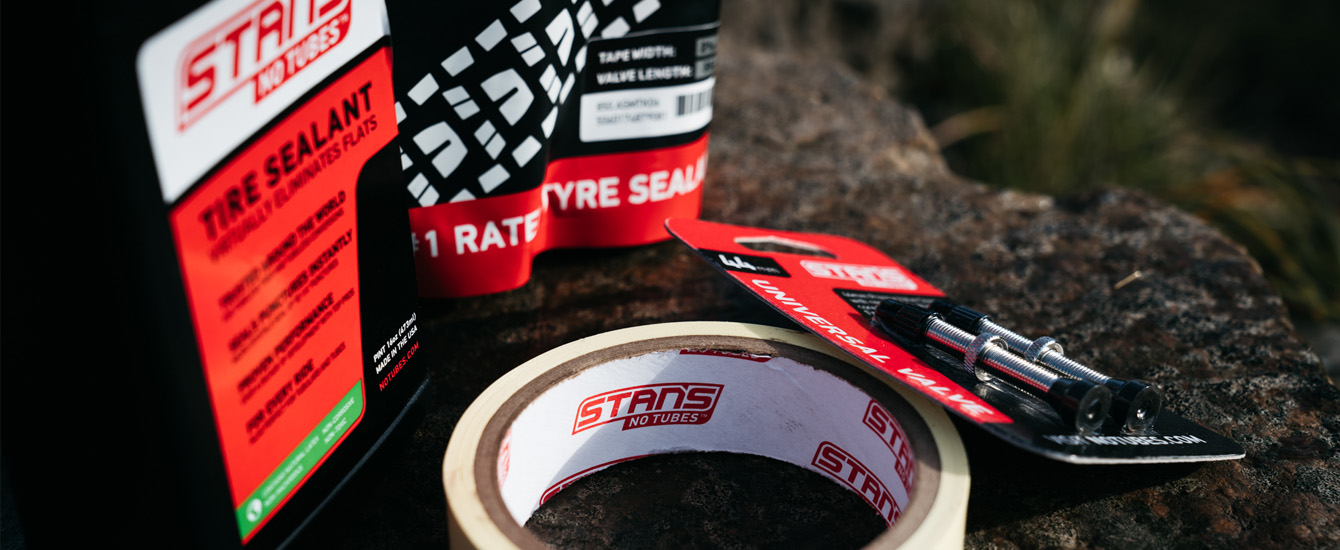
While the tubeless system represents a breakthrough for MTB wheels and their application in challenging and demanding mountain biking terrain, for lighter road and gravel use, the advantages of the tubeless system are not always proportionally significant when weighed against its disadvantages.
In this article, we will thoroughly discuss the advantages of using the tubeless system in road and gravel bikes. We will also present practical recommendations for properly refilling the sealant and maintaining this system. Furthermore, we will highlight potential disadvantages that may arise when using this solution.
Main advantages of the tubeless system
- Less risk of punctures
The Tubeless system reduces the risk of punctures because, simply put, there is no inner tube to be damaged by sharp objects or if the rim is punched. sealant sealant inside the tire plugs the resulting punctures as long as the tire is not cut - and no sealant can handle a large cut (but we will explain the alternatives later). - Riding at lower pressure
The tubeless system, by eliminating the Tube, allows riding at lower pressure without the risk of pinch flats, which increases riding comfort. This is particularly beneficial when riding on gravel roads and more challenging off-road sections. Lowering the pressure in the tires also translates to increased grip and better bike control, which is crucial for the safety and efficiency of gravel bike riding.
The tubeless system requires constant monitoring to ensure effective operation.
It is recommended to use approximately 50 ml of sealant in a road tire and about 70-80 ml in a gravel tire. The amount of sealant should be adjusted to the tire's width. For road tires, it is not recommended to use less than 50 ml of sealant, as in the event of a tire puncture, high pressure can cause partial loss of sealant before it is effectively distributed and seals the punctured tire.
It is recommended to regularly add about 20 ml of sealant every 2-3 months; however, depending on the intensity of use and tire punctures, more frequent replenishment of sealant may be necessary. The easiest and quickest way to replenish the sealant is by pouring it through the valve after unscrewing the valve core.
Additional Tubeless Tips:
- Do not mix sealants from different brands. If changing brands, clean the tire.
- If you are unsure if there is enough sealant in the tire, a simple way to check is by removing the wheel and shaking it. Ideally, you should hear the sound of the sealant inside. If you don't hear it, you need to add sealant.
- Before adding new sealant after a long period of not using the bike, clean the tire and rim to remove old sealant and any dirt inside.
- If the bike will not be used during the off-season, it is recommended to remove the sealant to prevent it from drying out and losing its sealing properties. Alternatively, if the bike will not be used for a long time, spin the wheels every 1-2 weeks to keep the sealant distributed inside. Good quality sealant retains its properties if it does not dry out in the tire.
- Regularly check the condition of the valve. A poorly mounted valve can cause pressure loss. Additionally, the valve core often gets filled and clogged with the rest of sealant, making it hard to pump the tire. Therefore, clean it thoroughly or replace it.
- Always check the maximum permissible pressure on the tire and adhere to the manufacturer's recommendations. The pressure in tubeless tires is lower than that used in tires with Tubes, which aims to increase riding comfort and reduce rolling resistance.
Disadvantages of the tubeless system
- Complexity of install and removal
The install of tubeless tires can indeed be more complicated than the installation of traditional tires with Tubes. It requires some practice and the use of specialized tools. A key element is often an air compressor, which is useful for quickly and evenly inflating a tubeless tire, allowing it to properly seat on the rim. - Higher costs
Tubeless tires are typically more expensive than standard solutions with Tubes. Additionally, they require the use of special sealant, tapes, and valves, which incurs additional operational costs. - Regular maintenance
Monitoring the condition and refilling the sealant are crucial for the system's proper functioning. A certain amount of sealant may leak when the tire is punctured, before it is effectively sealed. This process is natural and is part of the tubeless system's operating mechanism.
Additionally, the sealant may partially evaporate over time or lose its sealing properties, necessitating regular replenishment. - Difficulties in maintaining pressure
The tubeless system can sometimes encounter difficulties in maintaining consistent pressure in the tires. Therefore, regular monitoring of pressure and, if necessary, its adjustment is recommended. Optimally, pressure should be checked and adjusted before each ride or at least once a week. Gradual pressure loss is a natural process occurring in the tubeless system. - Complex on-trail repairs
In the event of more serious tubeless tire damage, such as a cut that the sealant cannot handle, on-trail repair can prove more difficult and time-consuming than with a traditional tire with a Tube. To cope with such emergency situations, it is advisable to carry special repair kits designed for tubeless tires, such as Maxalami or Stan's Dart. These kits allow for quick filling of the tire cut. Of course, it is still possible to install a regular Tube in a tubeless tire to finish the ride. - Off-season period
During extended storage of a bicycle with Wheels equipped with a tubeless system, for example, for several months, it is not recommended to leave sealant in the tires. A long period of inactivity can lead to the sealant drying out, resulting in the formation of deposits and clumps inside the tire. These deposits can hinder future tire use and affect its sealing properties. Therefore, before extended bike storage, it is recommended to remove the sealant from the tires, and before reusing the bike, thoroughly inspect the tires and add new sealant.
Conclusion
The tubeless system offers several significant advantages. Thanks to improved puncture resistance and the ability to ride at lower pressure, gravel bike users can experience relatively high tire puncture resistance, greater riding comfort, and enhanced grip due to the lower pressure.
For road riding, the improvement in riding comfort may not be as significantly noticeable due to the necessity of using higher pressure. The main benefit is additional tire protection provided by the sealant, which quickly fills punctures, allowing for continued riding. In contrast, with a puncture of a regular Tube, it is necessary to stop and manually replace it.
However, it is important to remember that this system requires regular maintenance and can also be more costly, both in terms of initial purchase and ongoing operation, due to the need for special sealant and other accessories. It is important to consider the advantages and disadvantages in the context of your own riding needs and preferences to make an informed choice between the tubeless system and traditional Tubes.
Original content. Copying and distributing the material is prohibited.
Lemonbike.eu